
The Rise of Padel in Australia: From Hidden Courts to a National Movement
Padel has taken a different path in Australia compared to other racket sports.
While tennis and squash grew through schools, clubs, and public facilities and grants, Padel started quietly through private initiative and exposure to a public that never heard of the sport. This led to a slow build in our Australian community.
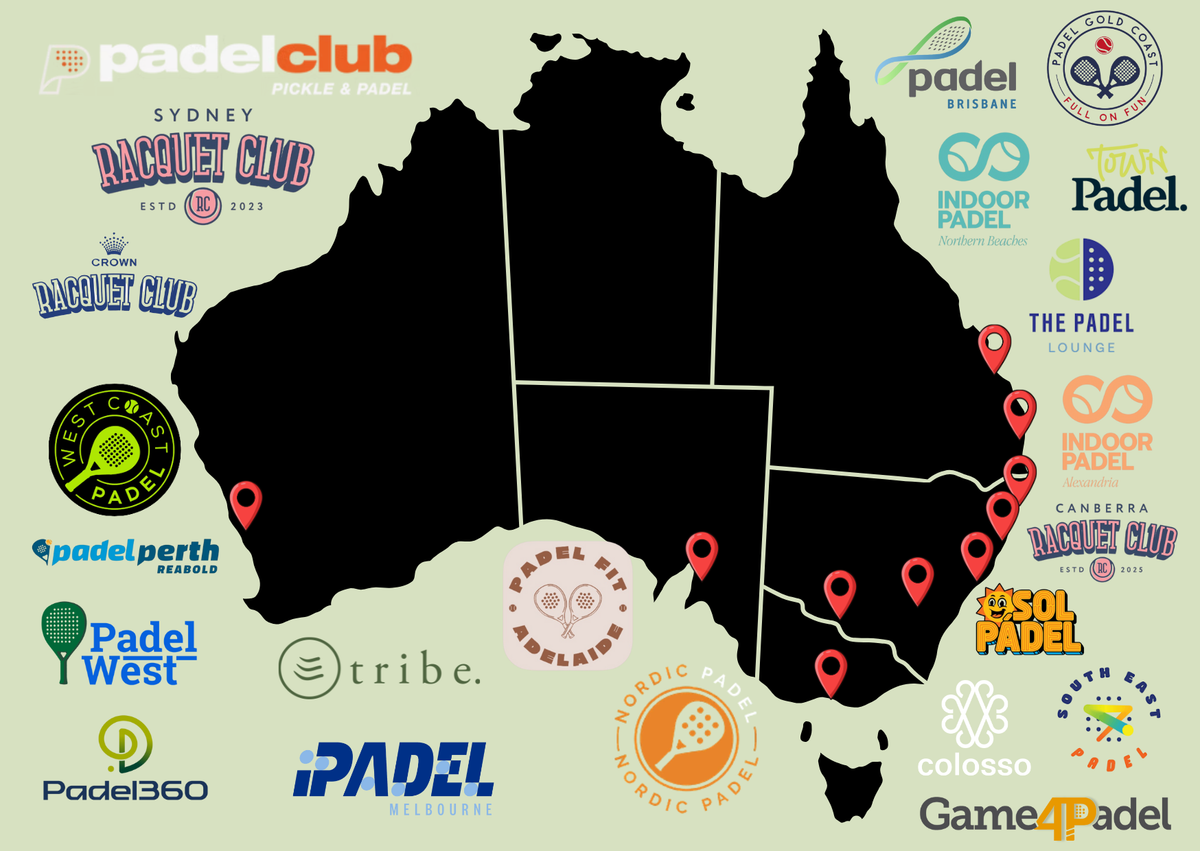
Today, with over 100 courts across Australia, growing national and international competitions, and growing mainstream, padel is no longer a secret - it is gaining a loyal inflow of players and supporters, and becoming a sport Australians are getting addicted to.
The Early Stages of Padel in Australia
The first padel club in Australia, Padel Sydney, was established in 2015 in Moore Park, Sydney, by Matty Thomas and Padel in One, who turned an unused car park into a padel venue.
For years, growth was slow. With only a few courts across the country and limited access to gear, it was hard to create a real community. Unlike tennis, which grew through repetition and visibility, padel lacked both at this point.
Early 2020s: Padel Picks Up Speed
After 2020, padel really took off. People were looking for fun, social sports, and padel delivered: easy to learn, inclusive, and perfect for meeting new people.
A big moment came in 2021 when the first indoor padel venue opened its door at Indoor Padel Alexandria, followed by the padel pop-up at the Australian Open in 2022, introducing the sport to thousands of tennis fans. Suddenly, padel wasn’t a foreign curiosity - it was part of the racket-sport family.
Since then, investment has surged. Between 2023 and 2025, more than 10 new venues opened, pushing Australia past 100 courts, including in regional areas like Coffs Harbour and Albury.
From Amateur Players to Competitive Tournaments
As more people played, the need for proper competitions grew. Local Padel Clubs commenced introducing tournaments were a start, but this approach soon became too small for more experienced players, who wanted a bigger challenge.
This need was filled by the creation of the Australian Padel Federation, which provided a national framework for ranked tournaments, consistent formats, and progression pathways for elite padel players as they introduced FIP Tournaments (International Padel Federation) in Australia, hosted in local clubs across the major Australian cities.
The APT played a critical role in shifting perceptions. Padel was no longer just a social activity; it evolved into a competitive sport with measurable performance, national rankings, and appearances by elite international players.
Padel Australia also strengthened its role, connecting Aussie players to global events like the FIP Asia Padel Cup, where the Aussie Crocs proudly represented our country.
Accessibility to Padel Gear
As padel matured, so did player expectations. Early growth was constrained by limited access to quality equipment and a lack of education around rackets, balls, and footwear. Clubs stocked gear, but choices were very limited.
This is where Padel Code played an important role - not by driving the sport directly, but by supporting it. By making world-class padel equipment accessible to Australian players, Padel Code has helped close the gap with more mature padel countries.
History shows that sports grow faster when players are properly equipped. Accessibility builds confidence, and confidence builds retention.
Professional Tennis Players Are Falling too
Padel is attracting lots of newcomers - even tennis legends are getting involved! Former world number one Pat Rafter or Rafa Nadal are among the pros who’ve embraced padel, showing how the sport appeals to athletes at the highest level. This crossover is helping padel gain visibility and inspiring more people to give it a try.
Where Australia Stands Today
Australia is still a relatively young padel nation compared to global standards, but progress has been fast. In a short period, padel has progressed from isolated curiosity to nationally coordinated sport, with strong clubs, recognised competitions, international exposure, and growing public awareness.
The lesson? When padel gets space, structure, and visibility, it thrives. The next phase will be defined by bringing junior programmes, regional growth, and deeper integration into Australia’s sporting landscape.
But the message is clear: PADEL IS HERE TO STAY.